Bring a challenge.
Build understanding.
Choose a workshop, a teaching session, or a focused project. Use drawing and story to communicate experiences, share findings, and explore the value behind an idea.
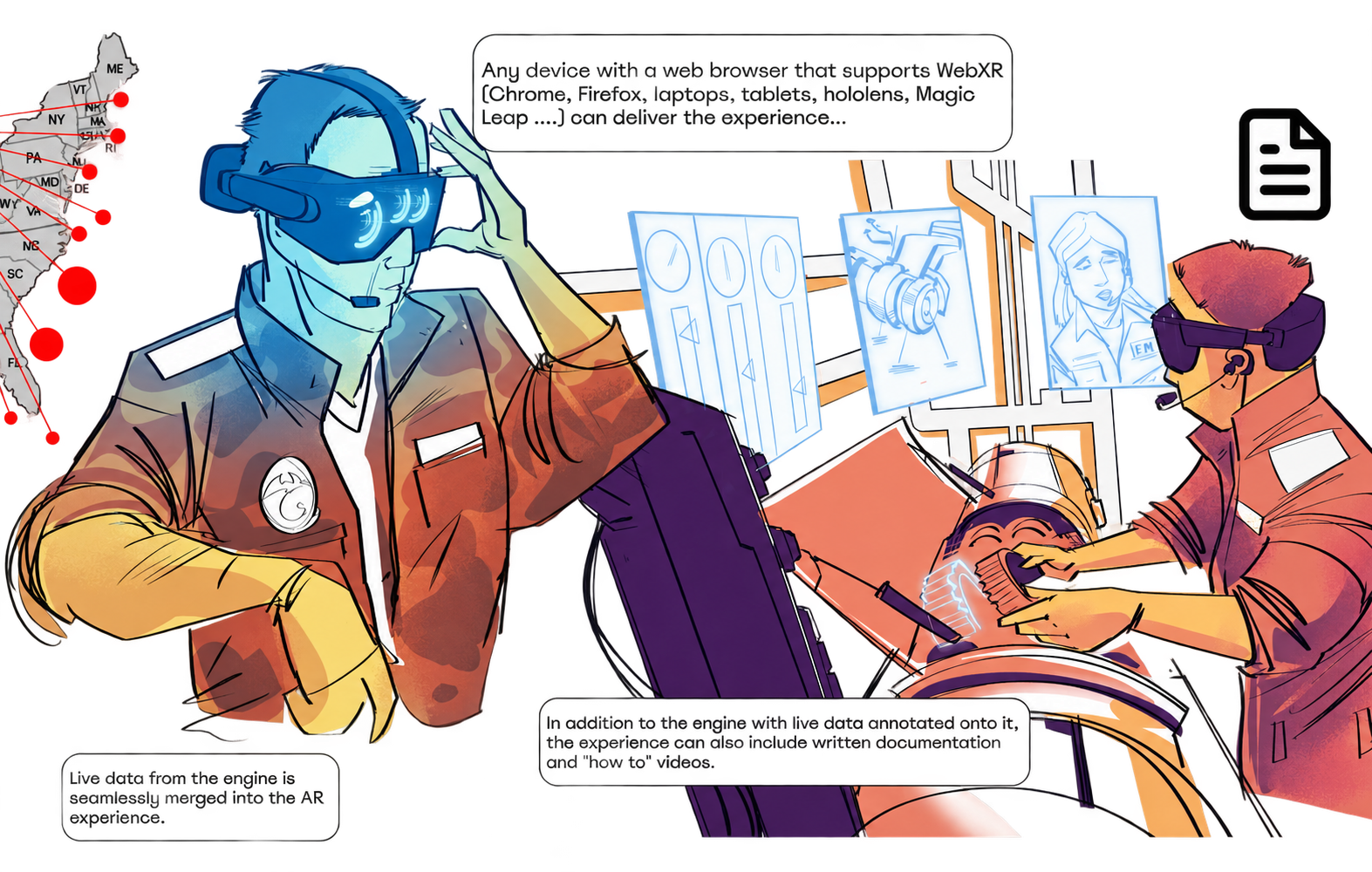
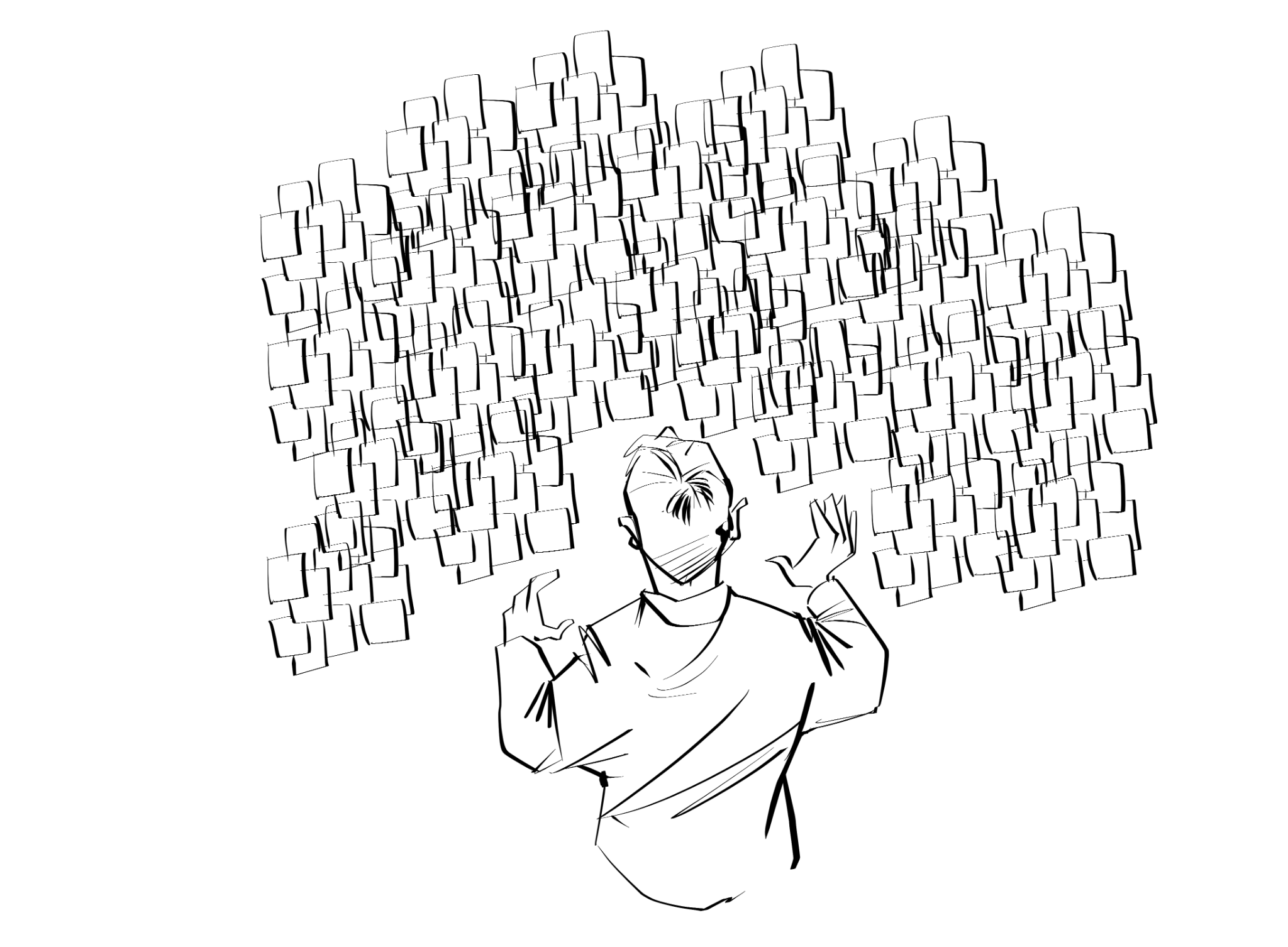
Moments That Matter
Explore the human experience behind an opportunity before committing to a solution. Through short exercises and guided critique, your team makes assumptions visible and develops questions for early research.
UX & product teamsResearchersEngineersInnovation teamsNo art background needed. Rough drawings, words, reference images, and AI-assisted visuals can all support the work.
Imagination with
a purpose.
Enough detail to challenge the idea. Enough openness to learn something unexpected.
- Choose a situation where the proposed value should matter.
- Invent a scene with context, tension, and consequences.
- Use metaphors to explore different kinds of help.
- Make the experience visible and invite critique.
- Identify assumptions and competing explanations.
- Prioritize questions and plan the next inquiry.
Useful work.
A repeatable practice.
Participants build a shared understanding of the opportunity and a way to continue questioning it after the workshop.
- Illustrated experience hypotheses
- Observed, inferred, and imagined assumptions
- Prioritized value questions for research
- Provisional principles for design
- A next-step learning plan
Choose the depth your team needs.
See the method.
A focused introduction with a guided example and a short exercise. Useful for team learning sessions and an initial taste of the approach.
Suggested format: 60–90 minutes
Work your challenge.
A facilitated session using your early opportunity or concept. Teams create scenes, examine assumptions, and develop a learning agenda.
Suggested format: Half day
Review what changed.
Return with research or revised concepts. Examine what the evidence supports, what changed, and what the team should investigate next.
Suggested format: Follow-up critique
Scope, timing, group size, and fee are agreed after a conversation about your team and challenge.
A few practical
questions.
Do we need research before the workshop?
Bring what you have. Existing research helps ground the work. Where evidence is missing, we label the scene as a hypothesis and use it to plan inquiry.
Is this a drawing class?
The focus is choosing and communicating significant human moments. Simple visual techniques support that thinking. Artistic polish is optional.
Can engineers and researchers participate?
Yes. Different disciplines bring useful questions about feasibility, evidence, context, and outcomes. Working on one scene helps reveal where interpretations differ.
Can we use AI images?
Yes, when they help communicate the situation. Participants still need to explain the choices, assumptions, and questions behind the image.
Does this replace user research?
No. It helps teams decide what to investigate. People’s actual experiences can challenge or overturn the imagined scenario.
Build confidence
drawing experiences.
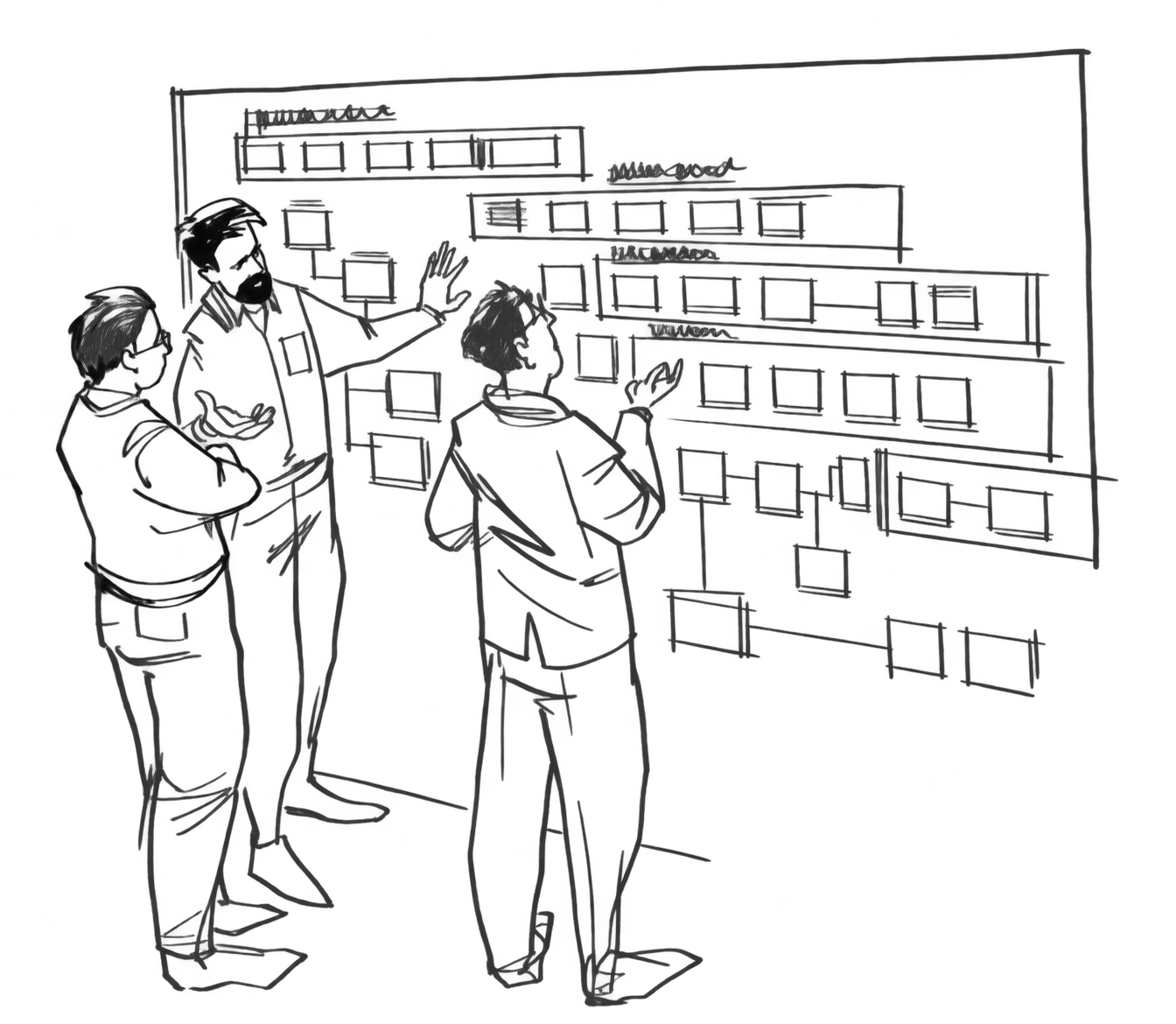
For design educators, students, and industrial and product designers who want drawing to become a more useful part of their thinking.
Practice choosing a significant moment, building a scene, and making the intended message clear. Sessions combine examples, short exercises, and supportive critique.
- Sketch people, situations, and interactions
- Use framing, expressions, context, and props
- Build a short visual sequence with a clear point
- Give AI direction after establishing intent
Guest lessons, team learning sessions, and project critiques are shaped around the learners and their goals.
Discuss a teaching session ↗Make something
people can use.
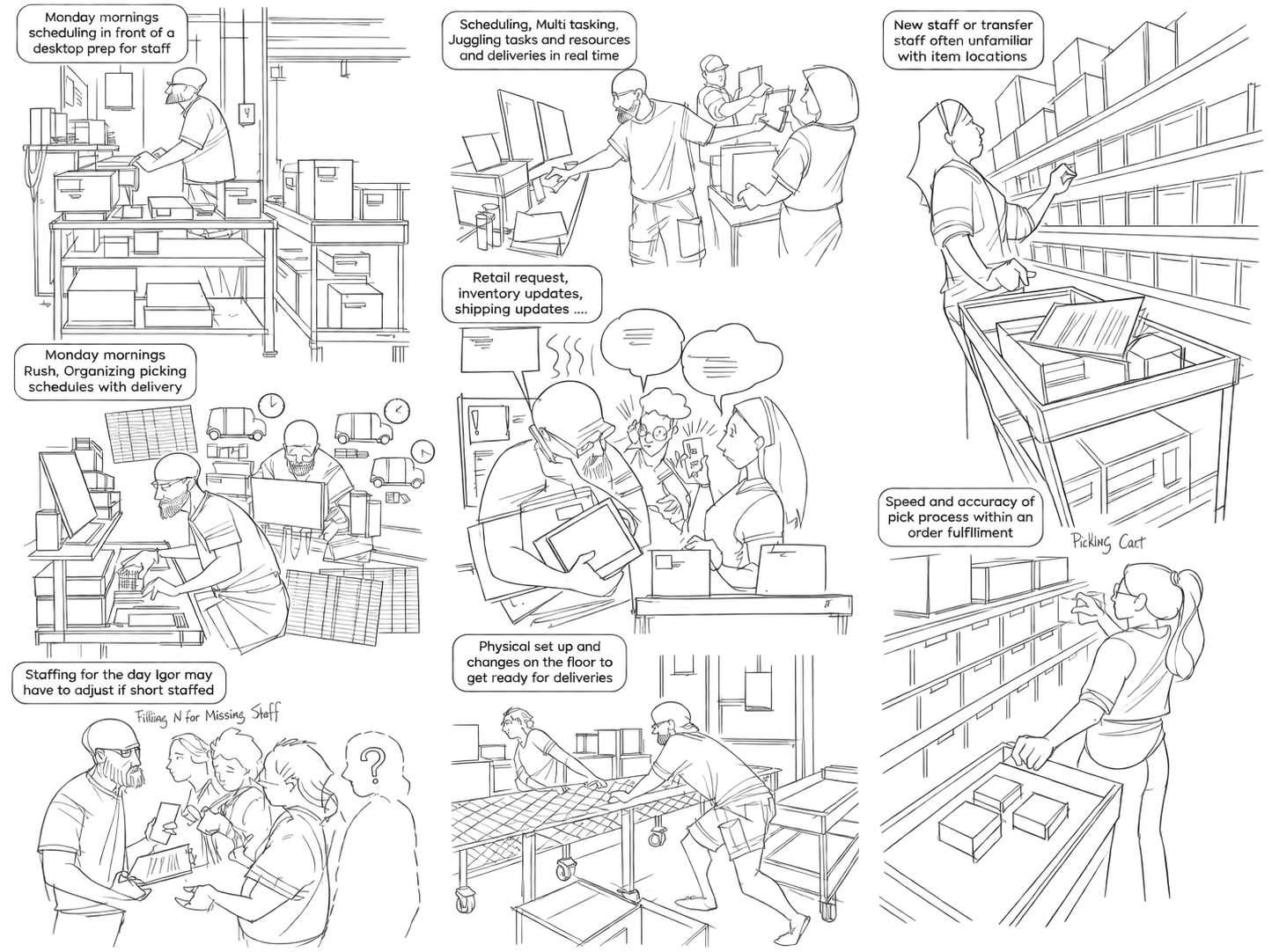
Work together on one communication challenge, with a clear scope and a useful visual outcome.
- A storyboard that makes a value proposition concrete enough to test
- A research board that gives interview findings a life beyond the presentation
- An onboarding poster that explains roles and handoffs from sales through service
We clarify the message, explore rough scenes, and refine the work through conversation. The format, level of finish, timing, and fee are agreed before starting.
Discuss a small project ↗Bring a challenge you want to make clearer.
Tell me what you want to explain, explore, or teach. We can choose the right way to work together.
Discuss your challenge ↗