Script it.
Sketch it.
Give AI direction.
Don’t just react to what AI produces. Script and sketch first to organize your ideas, work through what they mean, and decide what matters. Then use AI to explore and develop your thinking with intention.
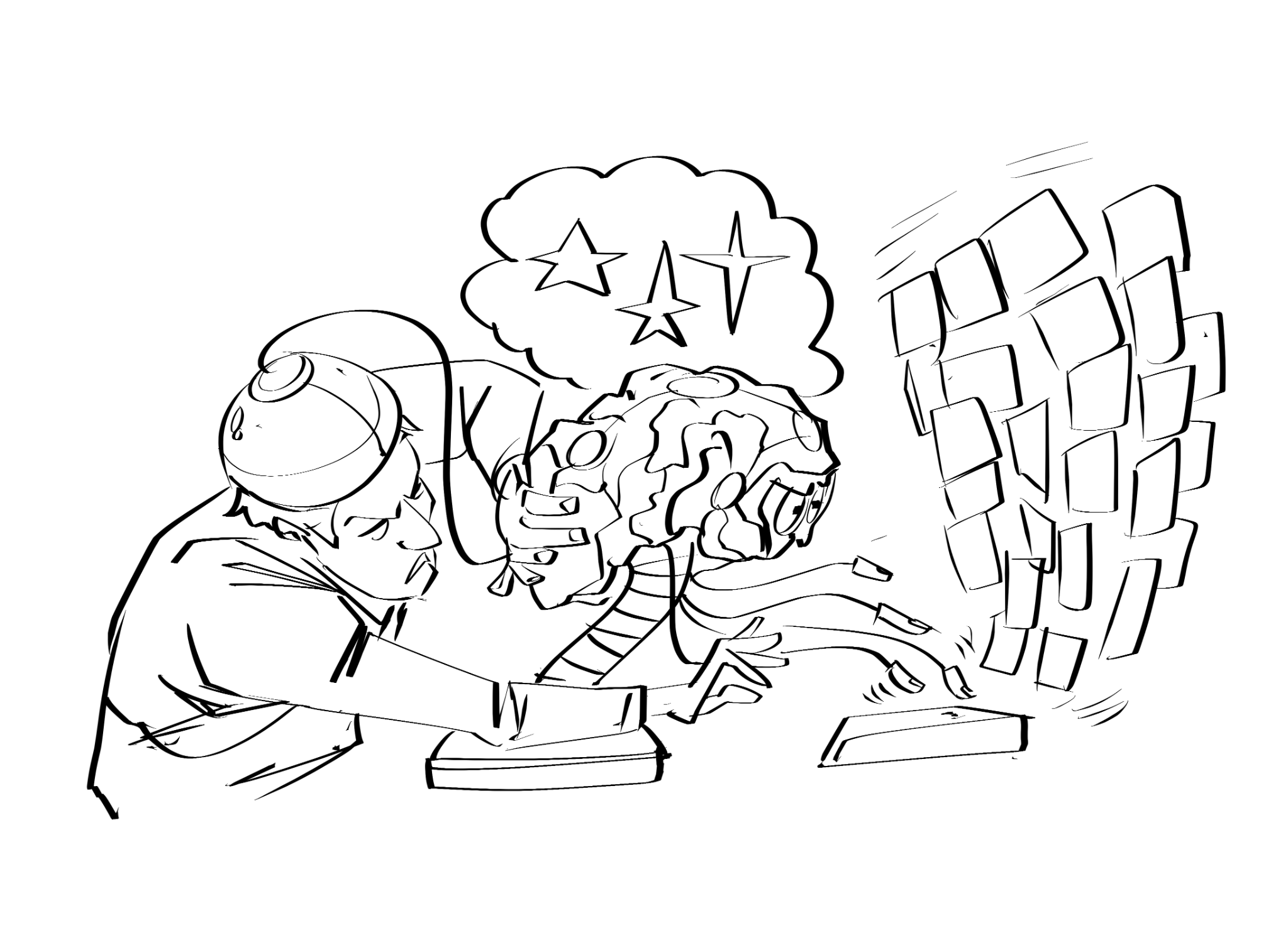
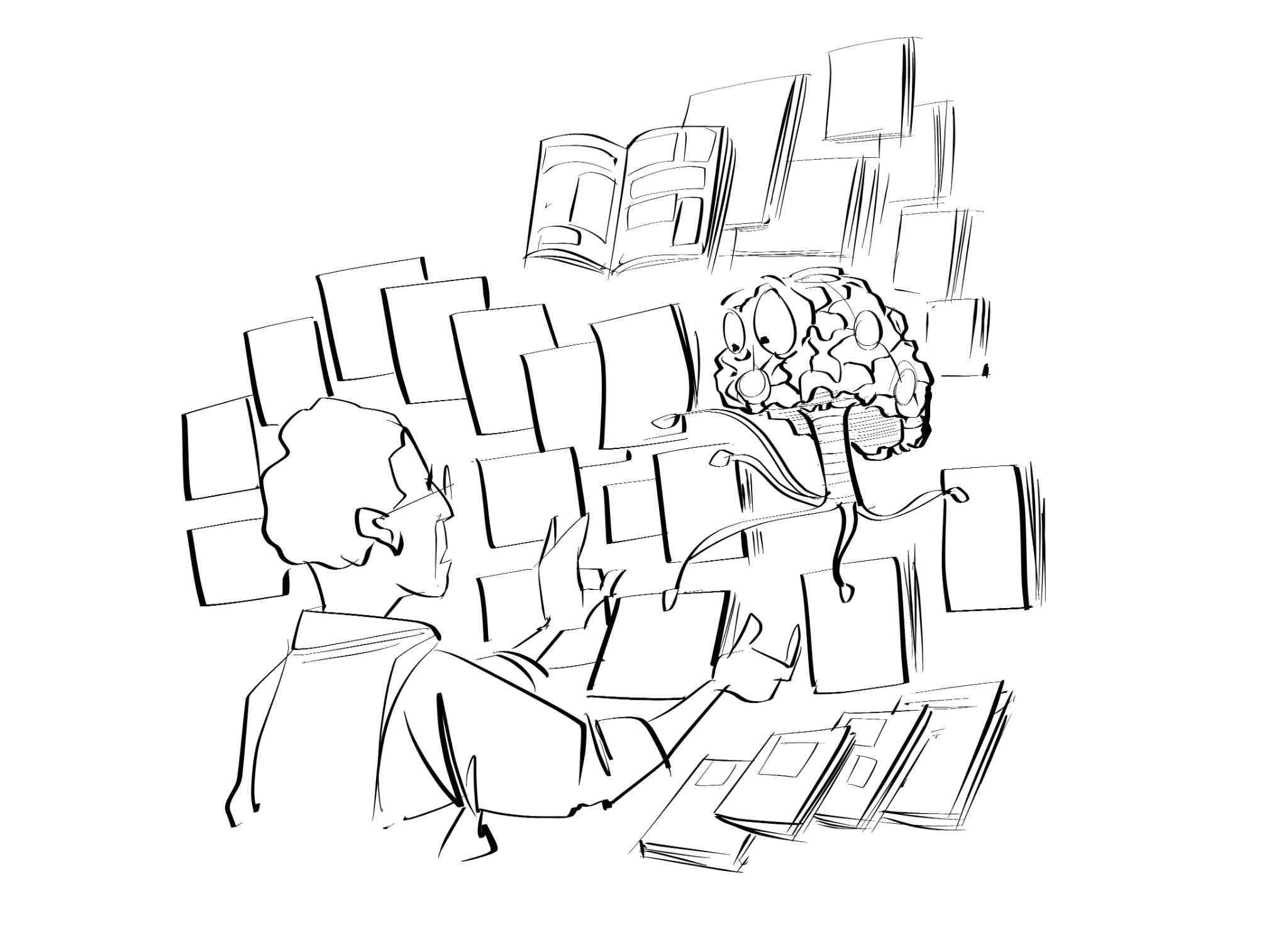
Give the idea a human situation.
Imagine a situation.
Who is there? What are they trying to accomplish? Where and when does the difficulty arise? Give the claim a context.
Find the consequential moment.
What could someone gain, lose, avoid, or accomplish? Explain why this particular moment might matter.
Explore the principle.
Try a metaphor. Does this experience need to act like a coach, a witness, or a second opinion? Explore what each would mean.
Make it visible.
Create a short sequence. Include the trigger, the action, and the consequence. Let others point to what is missing or questionable.
Pressure test the value.
Identify the assumptions carrying the idea. Turn the important uncertainties into questions and choose how to investigate them.
What kind of help is needed?
For a technician making a difficult recommendation, three metaphors suggest three different principles. Each opens a question rather than prescribing a feature.
A coach
Guidance that helps someone interpret a situation and improve their own judgment.
Ask: Where do they need help deciding what a finding means?
A witness
Evidence someone can use to substantiate what happened and explain a recommendation.
Ask: Who needs convincing, and what evidence do they trust?
A second opinion
Independent confirmation before someone commits to a consequential action.
Ask: When is one reading insufficient to act?
Know what the
scene is made of.
A compelling illustration can make an idea feel settled. Labeling the basis for each part keeps it open to correction.
Observed
Something witnessed or reported in research. Retain its source and context.
Inferred
An interpretation of evidence. Explain your reasoning and alternative explanations.
Imagined
A proposed situation or future experience. Use its specificity to decide what to test.
Can someone else explain what matters here, challenge your interpretation, and identify what to learn next?
What is your team assuming?
Bring an early idea. Leave with a clearer experience to explore and better questions to ask.
Discuss a workshop ↗