A scene can change
the question.
Three projects showing how sketches and shared boards help clients develop ideas, interpret research, and decide what to explore next.
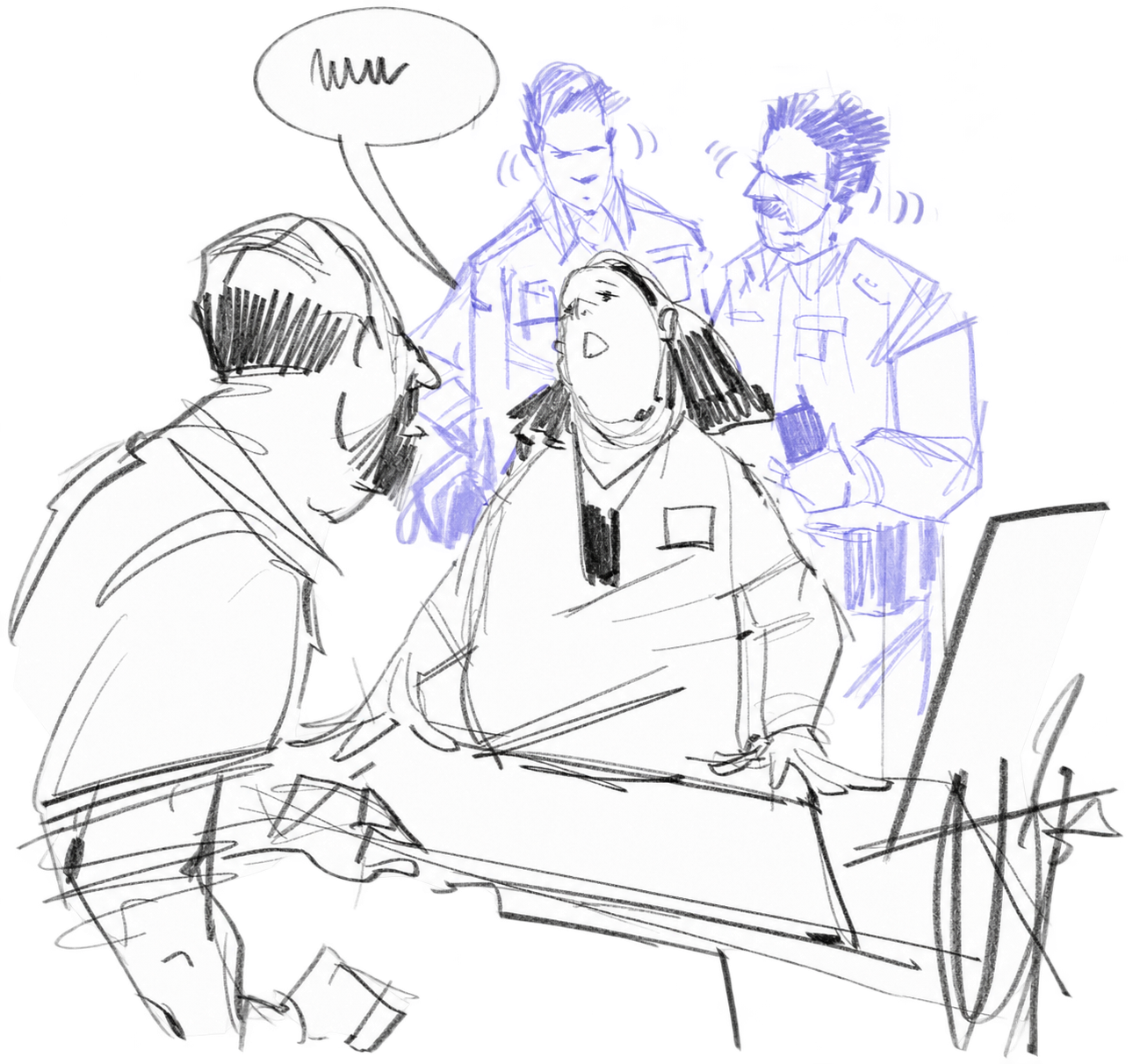
Give ideas room to develop.
A conversation board keeps messages, references, and evolving scenes visible. Clients can respond, reflect, and revisit decisions as an idea takes shape.
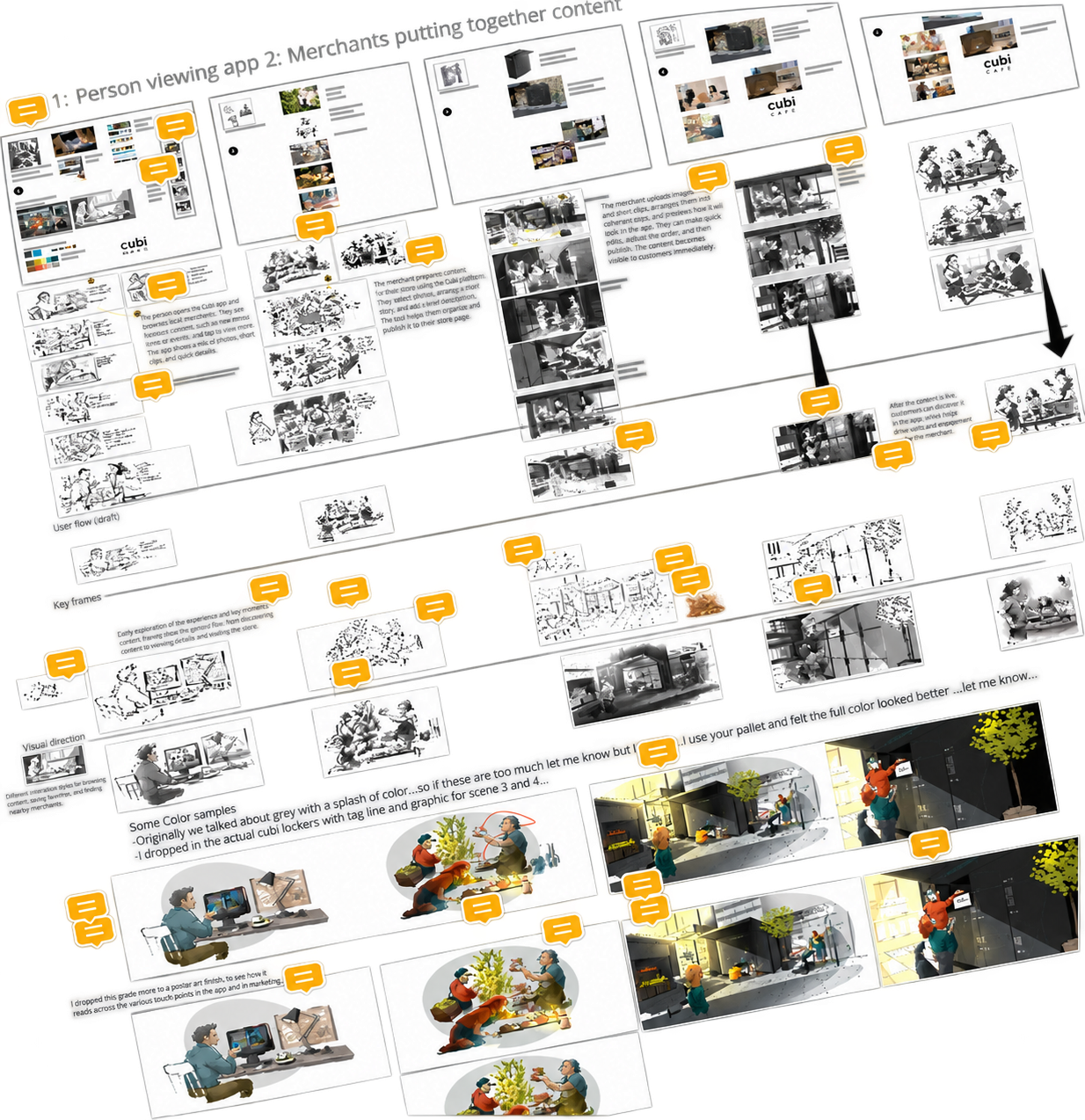
- START WITH A QUESTION
- “New delivery methods”—who would benefit, and what would improve for them?
- MAKE IT CONCRETE
- Sketch customers and delivery services in context to uncover what the idea leaves open.
- REFINE TOGETHER
- Compare references, question assumptions, and revise scenes. Show what could make the experience more valuable than today’s options.
- RETURN WITH FRESH EYES
- Reflect between reviews. Refine until the value is clear, assumptions are visible, and there is something specific to test.
The board keeps ideas visible while the conversation gives them shape.
The same water issue. Different consequences.
In hospitals and hotels, water quality carries different stakes. Interviews and sketches helped the client explore priorities, monitoring practices, and consequences for patients, guests, and staff.
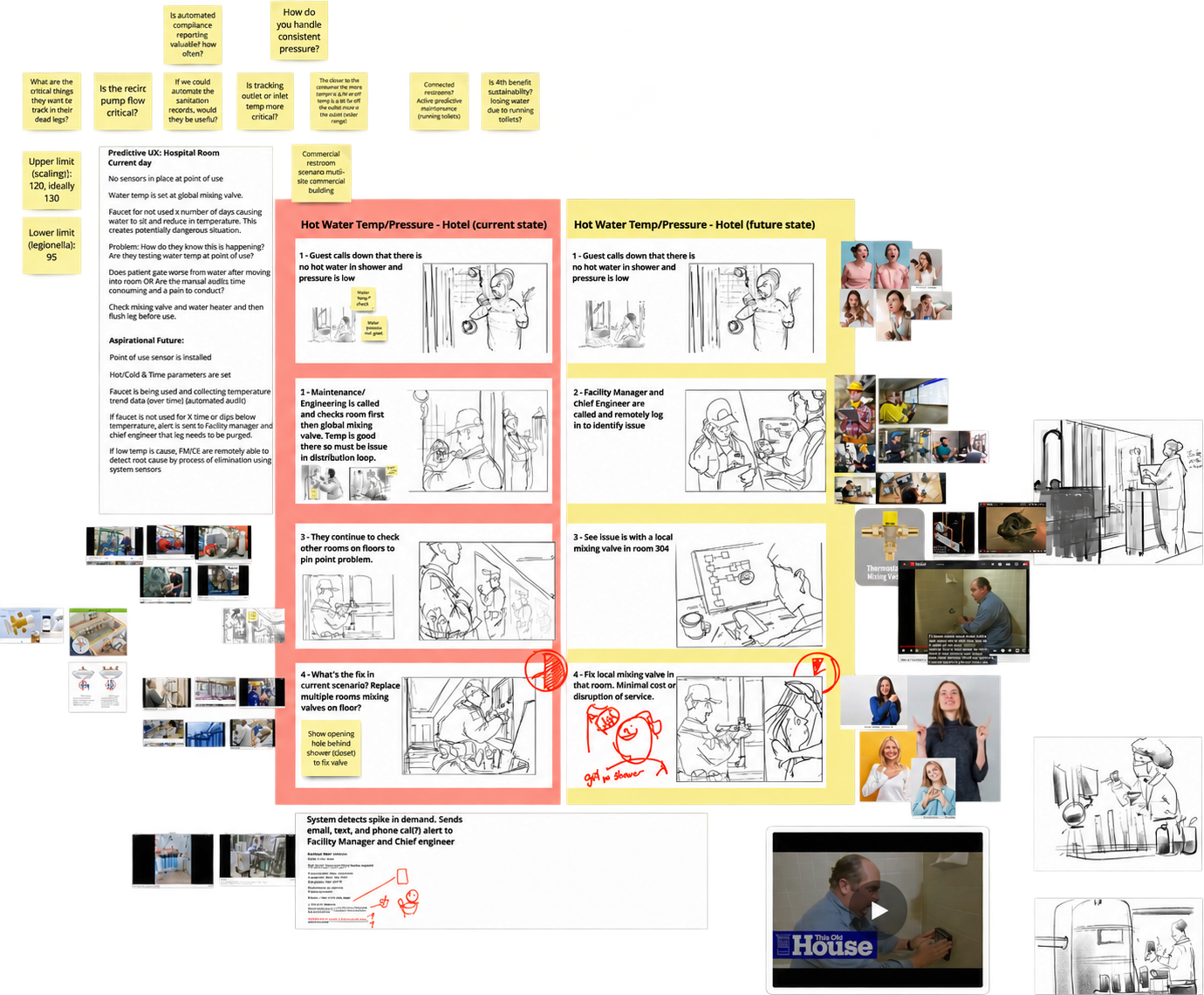
- FIND THE KEY MOMENTS
- When does a problem surface? Who notices, how do they respond, and who is affected?
- SHOW THE DIFFERENCES
- Compare current problems and possible improvements in both settings. Make differences in monitoring, responses, and consequences visible.
- INVITE CORRECTION
- Keep insights, references, sketches, and comments on one board so the client can challenge interpretations and add context.
- MAKE ROOM TO REFLECT
- Leave time between reviews to share ideas and reconsider priorities. Revise the scenes as understanding develops.
Time to reflect changes what we notice, question, and decide matters.
Give insights a life beyond the interview.
For a trucking company exploring connected devices, we translated interviews into maintenance and service scenes. A shared board connected context, pain points, and opportunities.
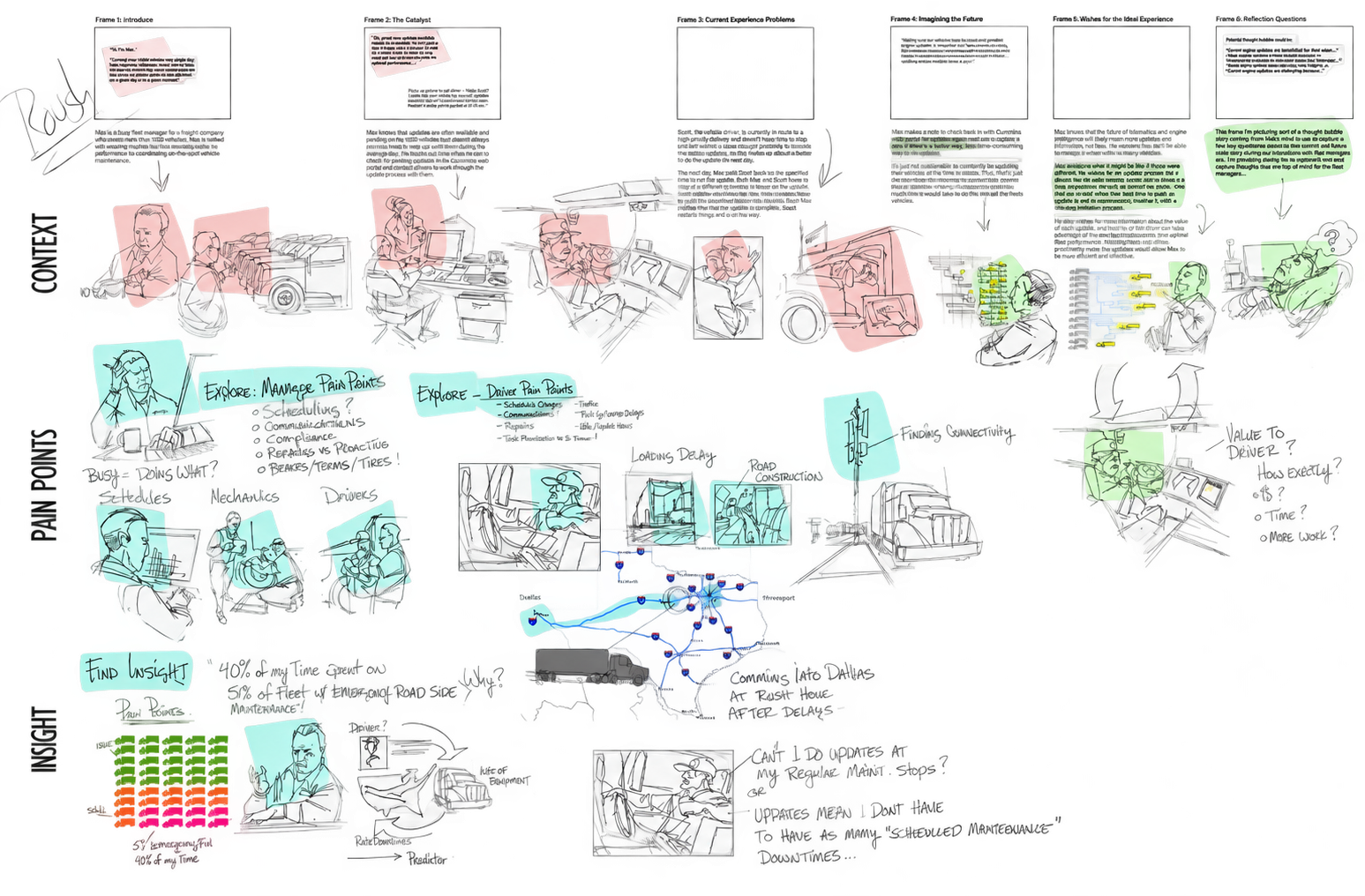
- MINE THE INTERVIEWS
- Find situations that show how work happens, where it breaks down, and what a connected device might improve. Ground each scene in what we heard.
- DRAW TO THINK
- Rough sketches help us interpret research and question assumptions together. Their unfinished quality invites others into the thinking.
- MAKE INSIGHTS EASY TO RETELL
- Combine scenes, interview excerpts, and observations so people across disciplines can discuss and share the findings.
- LET INTENT GUIDE AI
- Reflect, share, and revise. Once the message takes shape, use AI to develop imagery guided by the thinking behind it.
The board captures the findings. The conversation develops the understanding.
What could your team see differently?
Bring a real challenge. Use scenes to clarify the experience, question assumptions, and decide what to test.